Fun Learning Games for Preschoolers
Early childhood is a period of rapid development, and playful activities can support growth in areas such as counting, color recognition, and fine motor skills. Many effective learning games require only common household items, making them accessible and easy to implement. This article presents ten simple games that can be integrated into daily routines, offering opportunities for engagement and skill practice. Each game is designed to be flexible, allowing for adjustments based on a child’s interests and abilities.
The focus is on process-oriented play, where the emphasis is on exploration and participation rather than specific outcomes. These activities are not intended as a curriculum but as supplemental ideas that can be adapted to various settings. Caregivers and educators may find these suggestions useful for creating supportive learning environments. The games described here are suitable for preschoolers in the United States, though they can be modified for different cultural contexts.
It is important to note that children develop at their own pace, and the benefits of any activity depend on multiple factors, including individual differences and the quality of interaction. The games are meant to be enjoyable and low-pressure, fostering natural curiosity and a positive attitude toward learning. Always supervise children during play, especially with small items that could pose a choking hazard.
Counting Games with Household Items
Counting is a foundational math skill that can be practiced through everyday objects. These games use items like buttons, blocks, or pasta to make counting tangible and fun. The goal is to build one-to-one correspondence and number recognition. As with all activities, the pace should be guided by the child’s readiness and interest.
Button Sorting and Counting
Gather a collection of buttons in various sizes and colors. Encourage the child to sort them into groups based on a single attribute, such as color or size. Then, count the buttons in each group together. This activity supports classification and counting skills. It also provides an opportunity to discuss similarities and differences. For added challenge, ask the child to count all the buttons or to find a specific number of buttons.
Block Tower Counting
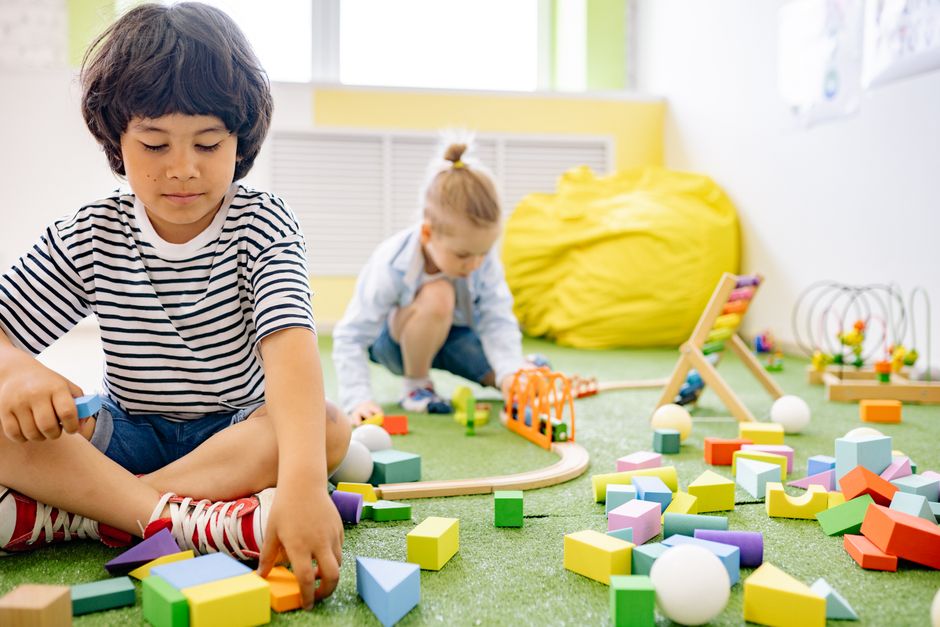
Using building blocks, invite the child to stack them into a tower. As each block is added, count aloud together. This helps associate numbers with physical quantities. The child can also be encouraged to count the blocks after the tower is built. Variations include counting by twos or building multiple towers and comparing heights. This game also promotes fine motor control as children carefully place blocks.
Pasta Threading and Counting
With dried pasta tubes and yarn, children can thread pasta onto the yarn while counting each piece. This activity combines counting with fine motor practice. Start with a small number and gradually increase. The child can also sort pasta by shape or color before threading. Always supervise to prevent choking. This game can be extended by making patterns with different pasta types.
Color Recognition Activities
Recognizing and naming colors is an important cognitive milestone. These games use familiar items to make color learning interactive. They can be done indoors or outdoors, depending on available materials. The emphasis is on exposure and repetition in a relaxed context.
Color Hunt
Choose a color and go on a hunt around the house or yard to find objects of that color. The child can collect items or simply point them out. This game builds vocabulary and observation skills. It can be adapted to focus on multiple colors by assigning different colors to different days. Encourage the child to name the color each time an object is found.
Rainbow Collage
Provide old magazines, colored paper, and glue. Ask the child to tear or cut out pictures of various colors and create a collage. This activity reinforces color recognition and supports fine motor skills through tearing and gluing. Discuss the colors as they work. The collage can be displayed as a visual reminder. For younger children, pre-cut shapes can be used.
Color Matching with Clothespins
Create a color wheel using a paper plate divided into sections, each colored differently. Write the color name in each section. Provide clothespins that match the colors. The child clips the clothespin onto the corresponding section. This game enhances color matching and fine motor strength. It can be made more challenging by using shades of the same color.
Fine Motor Skill Development
Fine motor skills involve the coordination of small muscles in the hands and fingers. These games are designed to strengthen these muscles through playful tasks. Many of these activities also incorporate counting or color elements, providing a holistic approach. Always ensure that materials are safe and age-appropriate.
Playdough Creations
Playdough is a versatile material for fine motor practice. Children can roll, squeeze, flatten, and shape the dough. They can also use cookie cutters or plastic knives. Adding counting or color elements, such as making a specific number of balls or mixing colors, extends the learning. Playdough can be homemade or store-bought, and supervision is recommended to prevent ingestion.
Stacking and Nesting Cups
Using plastic cups or measuring cups, children can stack them into a tower or nest them inside each other. This activity requires precise hand movements and hand-eye coordination. It can be turned into a counting game by counting the cups as they are stacked. Different sizes and colors can be used to incorporate size and color recognition.
Lacing Cards
Create lacing cards by cutting shapes from sturdy cardboard and punching holes around the edges. Provide shoelaces or yarn with tape on the ends. The child weaves the lace through the holes. This activity builds hand-eye coordination and dexterity. It can be themed around colors or numbers. Start with simple shapes and progress to more complex designs.
Integrating Games into Daily Routines
Incorporating learning games into everyday activities can make skill practice natural and enjoyable. These games can be adapted for mealtimes, bath time, or while waiting. The key is to keep the atmosphere light and responsive to the child’s mood. Consistency and repetition can be beneficial, but flexibility is equally important.
For example, counting can be done while setting the table or putting away toys. Color recognition can be part of choosing clothes or sorting laundry. Fine motor activities can be integrated into art projects or cooking tasks. By embedding these games into daily life, children may not perceive them as formal learning but as play.
It is also helpful to observe the child’s engagement and adjust the difficulty accordingly. Some children may prefer one type of activity over another. Offering a variety of options can cater to different interests and learning styles. The role of the adult is to facilitate and encourage, not to direct or pressure.
Conclusion
The ten games described here represent a starting point for playful learning at home. They require minimal materials and can be modified to suit individual needs. While these activities are designed to support counting, color recognition, and fine motor skills, the extent of benefit depends on many factors, including the child’s developmental stage and the quality of interaction. Bright Sprouts encourages a balanced approach that prioritizes enjoyment and exploration. Always consult with early childhood professionals for personalized advice, and remember that learning is a journey best taken one step at a time.