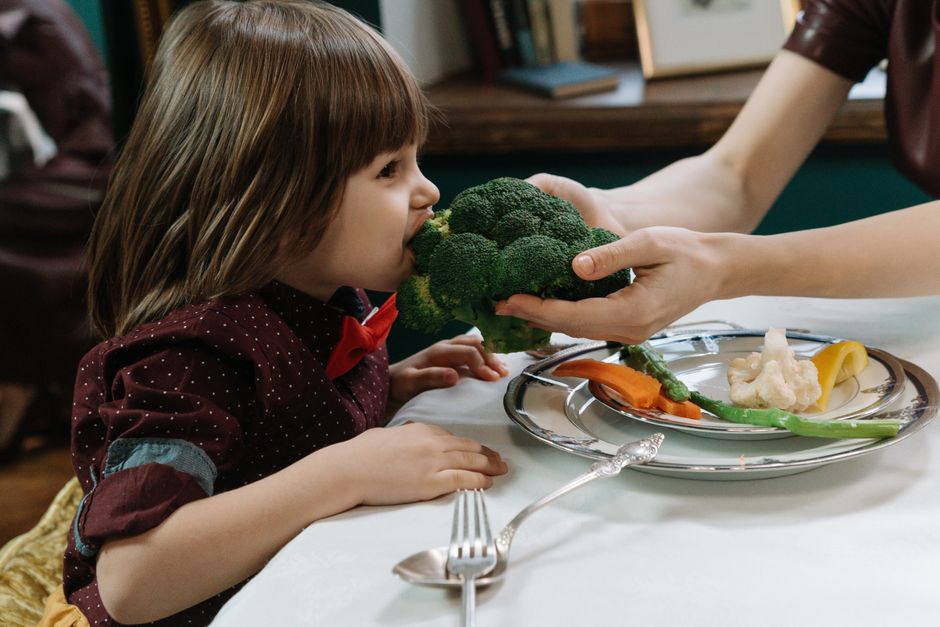
Healthy Meals for Picky Eaters
Introducing new foods to children who are selective about what they eat can be a gradual and sometimes challenging process. Many families encounter resistance when offering unfamiliar dishes, and it is common for young children to prefer a limited range of foods. Understanding the factors that contribute to picky eating and adopting a patient, structured approach may help expand a child’s diet over time. The goal is not to force consumption but to create a supportive environment where children can explore new foods at their own pace.
This article outlines strategies for introducing new foods and building balanced meals for picky eaters. It emphasizes repeated exposure, minimal pressure, and a positive mealtime atmosphere. While every child is different, these methods can be adapted to suit individual preferences and family routines. By focusing on the process rather than immediate results, caregivers can foster a healthier relationship with food.
It is important to note that picky eating is a normal developmental stage for many children. However, if concerns about growth, nutrition, or feeding difficulties arise, consulting a pediatrician or a registered dietitian is advisable. The suggestions here are informational and not a substitute for professional medical advice.
Understanding Picky Eating and Its Context
Picky eating, also known as selective eating, is characterized by a reluctance to try new foods or a strong preference for a narrow set of items. It often emerges during toddlerhood and can persist into early childhood. While the behavior can be frustrating for caregivers, it is frequently a phase that improves with time and consistent exposure. Factors such as temperament, sensory sensitivity, and fear of new things can influence how a child responds to unfamiliar foods.
Children may reject foods based on color, texture, smell, or even the way they are presented. Pressuring a child to eat can sometimes increase resistance and create negative associations with mealtime. Instead, a neutral and supportive approach that respects a child’s appetite and autonomy may be more effective. The division of responsibility in feeding, a concept developed by dietitian Ellyn Satter, suggests that adults decide what, when, and where to eat, while children decide whether and how much to eat.
Creating a predictable mealtime routine can also help. When children know what to expect, they may feel more secure and be more willing to explore. Additionally, modeling healthy eating behaviors by adults and siblings can positively influence a child’s willingness to try new foods. It is also helpful to consider that some children need many exposures to a new food before they accept it.
Strategies for Introducing New Foods
Introducing new foods is a process that benefits from patience and repetition. One effective strategy is to offer a new food alongside a familiar favorite, without expecting the child to eat it immediately. This allows the child to see, touch, and smell the new item without pressure. Over time, repeated neutral exposure can reduce anxiety and increase the likelihood of tasting.
Another approach is to involve children in meal preparation. When children help wash vegetables, stir ingredients, or set the table, they may feel a sense of ownership and curiosity about the food. Gardening can also be a hands-on way to learn about where food comes from. However, the goal is participation, not necessarily consumption.
- Offer small portions of new foods to avoid overwhelming the child.
- Pair new foods with familiar ones to create a sense of safety.
- Use a playful presentation, such as cutting foods into fun shapes, without making it a demand.
- Eat the same foods together as a family to model enjoyment.
- Avoid rewarding or bribing with dessert, as this can elevate the value of sweets over other foods.
It is also important to keep mealtimes free from distractions such as television or tablets. A calm environment helps children focus on eating and social interaction. If a child refuses a food, simply remove it without comment and try again another day. This neutral response prevents a power struggle and keeps the door open for future attempts.
Building Balanced Meals Without Pressure
A balanced meal typically includes a source of protein, whole grains, fruits, vegetables, and dairy or a fortified alternative. For picky eaters, it may be helpful to deconstruct meals into separate components so that children can choose what to eat. For example, instead of a mixed casserole, offer plain pasta, sauce, and vegetables separately. This gives the child a sense of control while still exposing them to a variety of nutrients.
When planning meals, aim to include at least one food that the child generally accepts. This ensures they have something to eat while other options are available. Over time, the accepted list may gradually expand. It is also useful to think about nutrition over the course of a week rather than a single meal, as intake can vary significantly from day to day.
Snacks can play a role in meeting nutritional needs. Offer structured snacks between meals, such as fruit, yogurt, or whole-grain crackers, to prevent extreme hunger that can lead to meltdowns. However, avoid constant grazing, which can reduce appetite at mealtimes. A consistent schedule of meals and snacks helps regulate hunger and establishes a routine.
Creating a positive feeding environment is about trust and consistency, not perfection.
Some children may benefit from a sensory-friendly approach. For instance, if a child dislikes mixed textures, serve foods separately. If they prefer crunchy foods, offer raw vegetables with a dip. Gradually, textures and flavors can be combined as tolerance increases. Again, the pace should be set by the child’s readiness.
Creating a Positive Mealtime Environment
The atmosphere at the table can significantly influence a child’s willingness to try new foods. Stress, arguments, and pressure can make mealtimes unpleasant and reinforce picky eating. Instead, focus on making meals a time for connection and conversation. Keep topics light and avoid discussing how much or what the child is eating. Praise can be given for trying a bite, but avoid over-praising, as it may feel like pressure.
Involve children in setting the table or choosing between two healthy options. This provides a sense of autonomy and can increase cooperation. It is also important to respect a child’s appetite cues. If they say they are full, trust them, even if they have not eaten much. Forcing a child to clean their plate can disrupt their natural hunger and fullness signals.
Consider the timing of meals. Children often do better when they are not overly tired or hungry. A predictable schedule with meals and snacks every two to three hours can help. Also, limit distractions and keep the focus on the social aspect of eating. Family meals have been associated with better dietary intake and healthier eating habits in children.
If a child consistently refuses all foods from a particular food group, consult a healthcare provider to rule out underlying issues. In some cases, occupational therapy or feeding therapy may be beneficial. However, for typical picky eating, a patient and supportive approach is often sufficient.
When to Seek Professional Guidance
While picky eating is common, there are situations where professional guidance is warranted. If a child is losing weight, failing to grow, or experiencing choking, gagging, or vomiting during meals, it is important to seek medical advice. Additionally, if the child’s diet is extremely limited and lacks essential nutrients, a pediatrician or dietitian can help assess and provide recommendations.
Signs of a more serious feeding disorder may include avoidance of entire food groups, extreme distress at mealtimes, or a lack of interest in eating. Early intervention can make a difference. A healthcare provider can also help rule out underlying medical conditions such as reflux, food allergies, or sensory processing issues.
In the meantime, caregivers can continue to offer a variety of foods in a low-pressure manner. It is also helpful to connect with other parents who may have similar experiences. Support groups and online communities can provide reassurance and practical tips. Remember that every child’s journey is unique, and progress may be measured in small steps.
Bright Sprouts encourages families to approach picky eating with patience and consistency. By focusing on the process and creating a positive food environment, caregivers can support their child’s nutritional needs while respecting their developmental stage.