Understanding Age Norms for Toddlers
Understanding the developmental norms for toddlers between one and three years old provides a helpful framework for observing how young children grow and change over time. These norms, often described as milestones, represent typical patterns of physical, cognitive, language, and social-emotional development that many children follow. While each child develops at their own pace, awareness of these general expectations can help caregivers and educators recognize emerging skills and consider activities that may support further growth. It is important to approach this information as a guide rather than a strict timeline, as a wide range of variation is considered typical.
Developmental norms are based on observations of large groups of children and describe what most children can do at a certain age. They are not precise predictors of individual ability, and many factors—including temperament, environment, and opportunities for practice—influence how and when a child reaches a particular milestone. The information presented here is intended for educational purposes and does not replace the individualized assessment or advice of qualified professionals.
This article outlines common developmental expectations across three broad age ranges: one to two years, two to three years, and briefly highlights the transition to preschool age. For each stage, simple activity ideas are offered that may encourage exploration and skill development in a playful, low-pressure manner. The focus is on process and context rather than outcomes, and any potential benefits are framed as dependent on multiple variables.
Developmental Norms: Purpose and Interpretation
Developmental norms serve as descriptive benchmarks that illustrate the sequence and timing of typical skills. They are compiled from research and clinical observations, and they help professionals and families understand what skills might be emerging at different ages. However, they are not intended to be used as a checklist for success or failure. Children may acquire skills earlier or later than indicated, and this variation is usually considered normal. The value of norms lies in their ability to provide a shared language for discussing development and to prompt thoughtful observation.
When interpreting norms, it is essential to consider the whole child. A toddler’s skills in one area may develop more quickly while another area progresses more gradually. For example, a child might walk early but speak later, or vice versa. Cultural practices, family routines, and individual interests also shape how and when skills appear. Therefore, norms should be viewed as flexible guides that help caregivers notice patterns and respond supportively, rather than as rigid standards that every child must meet on a specific schedule.
Professionals such as pediatricians, early childhood educators, and developmental specialists can provide context and guidance if concerns arise. Bright Sprouts emphasizes that any decisions about a child’s development should be made in consultation with qualified professionals who can consider the child’s unique circumstances. The activities suggested in this article are meant to be optional and adaptable, and they are not a substitute for individualized support.
One to Two Years: Emerging Exploration
Between the first and second birthdays, toddlers typically make significant strides in mobility, communication, and social interaction. Many children begin to walk independently, climb onto low furniture, and manipulate small objects with increasing dexterity. Language skills often expand from a few words to a growing vocabulary, and toddlers may start to combine words into simple phrases. Socially, they may show interest in other children, imitate adult actions, and express a range of emotions more clearly. These changes reflect rapid brain development and increasing independence.
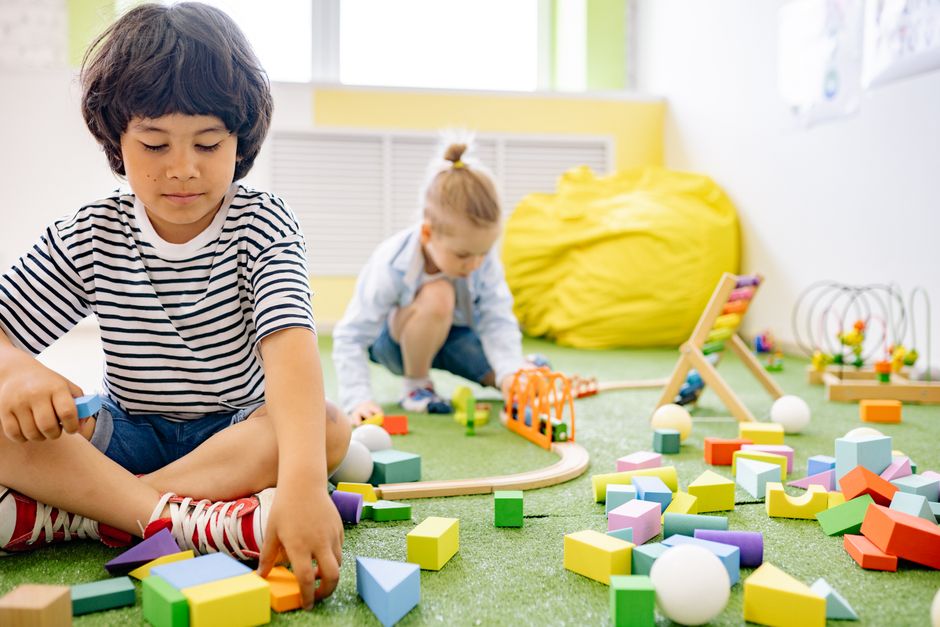
Simple activities can offer opportunities for practice and discovery during this stage. For instance, providing safe, open spaces for walking, pushing, and pulling can support gross motor development. Offering board books with bright pictures and repeating familiar words may encourage language exploration. Activities that involve filling and dumping containers, stacking soft blocks, or scribbling with large crayons can help refine fine motor skills and hand-eye coordination. Caregivers might also engage in turn-taking games, such as rolling a ball back and forth, to foster early social reciprocity.
It is helpful to follow the child’s lead and keep activities playful and brief, as attention spans at this age are typically short. Creating a predictable routine with time for active play and quiet exploration can provide a sense of security while allowing for natural skill practice. The goal is to offer varied experiences without pressure, recognizing that each child will engage in their own way and at their own pace.
Two to Three Years: Growing Independence and Communication
As toddlers approach their third birthday, their abilities often become more refined and complex. Gross motor skills may include running, kicking a ball, and climbing stairs with support. Fine motor tasks might involve turning pages, using utensils with some success, and drawing simple shapes. Language development frequently accelerates, with many children using short sentences, asking questions, and following two-step directions. Socially, they may begin to show more interest in playing alongside peers, though cooperative play is still emerging. Emotional regulation also starts to develop, although tantrums and strong feelings remain common.
Activities that encourage independence and problem-solving can be particularly engaging at this stage. For example, offering simple puzzles, shape sorters, or nesting cups can challenge cognitive skills. Pretend play with dolls, stuffed animals, or toy kitchens may support language and social understanding. Art experiences with washable markers, finger paints, or play dough can provide sensory input and creative expression. Outdoor time for running, jumping, and exploring nature can further develop motor skills and curiosity.
Caregivers can support communication by narrating daily routines, asking open-ended questions, and giving children time to respond. Encouraging self-help skills, such as putting on shoes or washing hands with supervision, can foster autonomy. As with earlier stages, it is important to adapt activities to the child’s interests and abilities, and to avoid pushing for specific outcomes. Bright Sprouts suggests that observing a child’s cues and providing gentle encouragement can create a positive environment for learning.
Supporting Development Through Everyday Routines
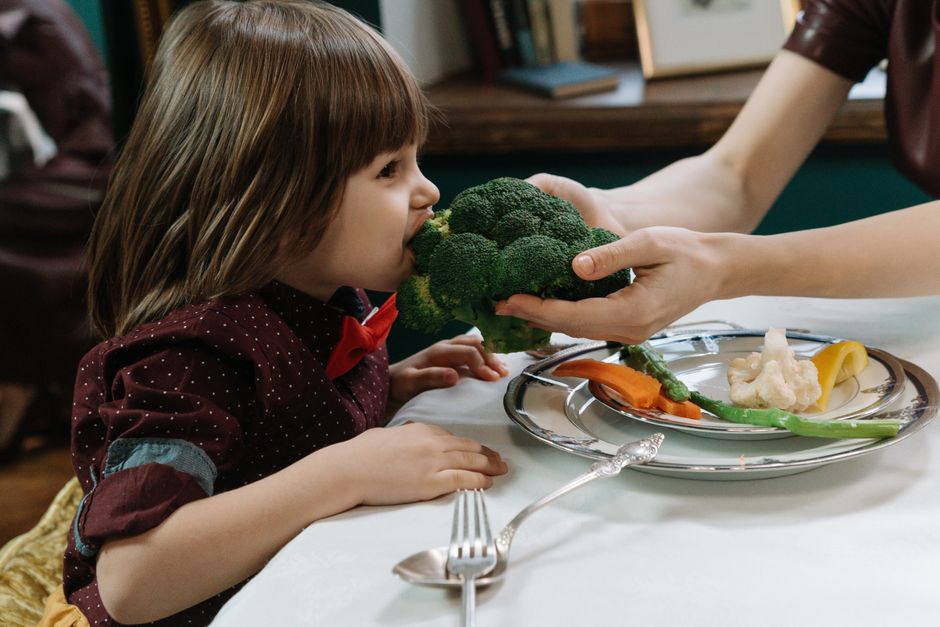
Everyday routines offer abundant opportunities for toddlers to practice emerging skills in natural contexts. Mealtimes, bath time, dressing, and transitions between activities can become moments for language-rich interaction and problem-solving. For instance, naming foods, counting spoons, or describing actions can build vocabulary. Allowing children to help with simple tasks, such as putting clothes in a hamper or wiping a table, can support fine motor skills and a sense of contribution.
Play is a primary vehicle for learning during the toddler years. Both structured games and free play allow children to explore materials, test ideas, and interact with others. Caregivers can create a safe environment with a few age-appropriate toys and open-ended materials, such as cardboard boxes, fabric scraps, or wooden blocks. Rotating toys or materials periodically can maintain interest and novelty. It is also helpful to balance active and quiet activities, as toddlers often need both stimulation and downtime.
When considering any activity, it is important to follow safety guidelines and supervise children closely. Small objects that could pose a choking hazard should be kept out of reach, and furniture should be stable. The suggestions provided here are not exhaustive, and caregivers may find many other ways to support development through daily interactions. The key is to remain responsive to the child’s signals and to adjust the level of challenge to match their current abilities.
When to Seek Guidance
While developmental variation is typical, there are times when additional support or evaluation may be beneficial. If a child consistently does not meet several milestones in a particular area, or if there is a loss of skills that were previously acquired, it may be appropriate to consult a healthcare provider or developmental specialist. Early intervention services are available in many communities and can provide targeted support if needed. However, only qualified professionals can determine whether a child’s development is following a pattern that warrants further attention.
It is also important to remember that norms are based on averages and do not capture the full range of human development. Some children may have unique developmental trajectories due to medical conditions, genetic factors, or environmental circumstances. In all cases, decisions about assessment and intervention should be made in collaboration with professionals who can consider the child’s individual profile and family context.
Bright Sprouts encourages a balanced approach that combines informed observation with professional guidance when necessary. The information in this article is intended to support understanding and to offer activity ideas that can be adapted to a child’s needs. It does not replace personalized advice from a pediatrician, educator, or therapist.
Ultimately, the toddler years are a time of remarkable growth and discovery. By understanding general norms and providing supportive, playful experiences, caregivers can nurture development in a way that respects each child’s unique pace and potential. The focus remains on the process of learning and growing, with outcomes shaped by many interrelated factors.