Preparing Your Child for School
Starting kindergarten is a significant transition for young children and their families. It marks a shift from familiar home or preschool environments into a more structured educational setting with new routines, expectations, and social dynamics. While this change can be exciting, it may also bring uncertainty for both children and parents. Understanding the range of skills that support a smooth transition can help families approach this milestone with confidence and calm.
This article explores the social, emotional, and practical skills that are often helpful for children as they prepare for kindergarten. It also suggests activities that can be incorporated into daily life at home to gently nurture these abilities. The focus is on creating opportunities for practice and conversation, rather than on achieving specific outcomes, recognizing that every child develops at their own pace.
By taking a balanced and informed approach, parents and caregivers can support children in building a foundation that may ease the adjustment to school. The ideas presented here are intended as general guidance, and individual needs may vary. Collaboration with educators and professionals can provide additional insights tailored to each child’s unique situation.
Understanding Kindergarten Readiness
Kindergarten readiness is not defined by a single checklist or a specific set of academic skills. Instead, it encompasses a broad range of developmental areas, including social interaction, emotional regulation, language and communication, fine and gross motor skills, and early cognitive abilities. Children enter kindergarten with diverse experiences and abilities, and there is no universal timeline for development. The concept of readiness is fluid and can be influenced by many factors, such as prior care arrangements, temperament, and individual growth patterns.
Research in early childhood education often highlights that social and emotional competencies are strong predictors of a positive school experience. Skills such as sharing, taking turns, following simple instructions, and expressing needs are frequently cited as important for classroom participation. Similarly, practical skills like managing personal belongings, using the restroom independently, and eating lunch with minimal assistance contribute to a child’s sense of autonomy during the school day. These abilities develop gradually through everyday interactions and play.
It is also important to recognize that readiness is not solely a child’s responsibility. Schools and families play a collaborative role in creating supportive environments that help children adapt. Teachers often differentiate instruction to meet varying skill levels, and parents can reinforce learning at home. The transition to kindergarten is a shared journey, and open communication between home and school can help align expectations and strategies.
Social Skills for School Success
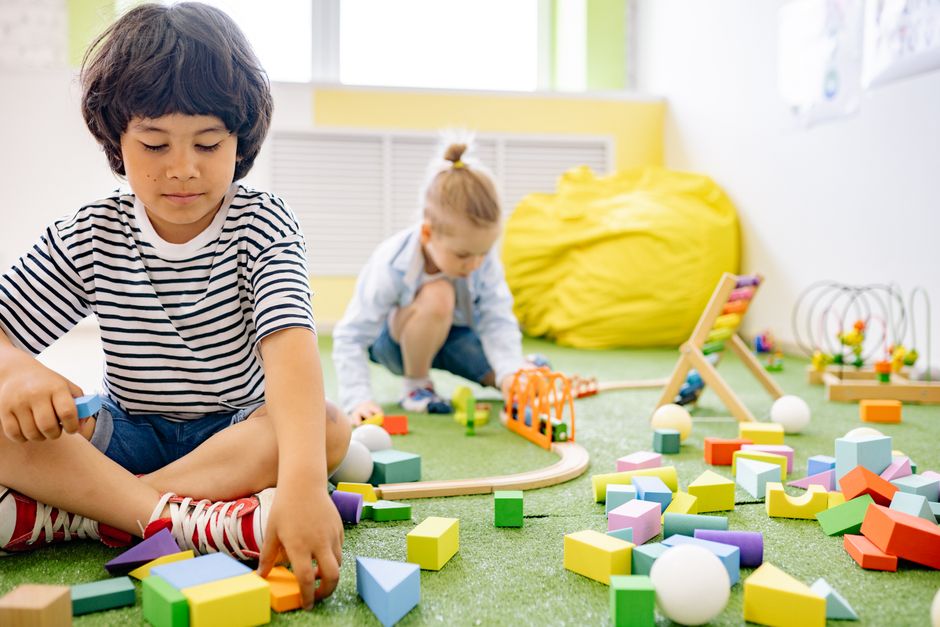
Social skills form the backbone of positive peer interactions and classroom harmony. In kindergarten, children are expected to navigate group settings, cooperate with others, and resolve minor conflicts with increasing independence. While these skills may seem simple, they require practice and guidance. Activities that encourage sharing, turn-taking, and cooperative play can be woven into daily routines. For example, board games or simple card games provide opportunities to practice waiting for a turn and following rules. Role-playing scenarios, such as asking a friend to play or offering help, can also build social confidence.
Another key social skill is the ability to follow group instructions and participate in communal activities. Children who have experience listening to stories in a group, singing songs together, or completing simple group projects may find it easier to adjust to circle time and classroom routines. Parents can simulate these experiences at home by hosting small playdates or organizing family activities that require turn-taking and listening. It is helpful to model polite language, such as saying “please” and “thank you,” and to acknowledge when a child demonstrates cooperation or empathy.
Furthermore, social competence includes understanding social cues and managing frustration. Children may encounter situations where they disagree with peers or feel left out. Teaching phrases like “Can I play too?” or “I don’t like that” can empower children to express themselves appropriately. Adults can support this by discussing feelings and offering alternative solutions during conflicts. Over time, these interactions help children build resilience and form positive relationships with classmates and teachers.
Emotional Development and Self-Regulation
Emotional development is closely tied to school adjustment. Kindergarten can be emotionally stimulating, with new faces, routines, and challenges. Children who can identify and express their emotions in appropriate ways tend to cope better with transitions. Parents can help by labeling emotions during everyday moments—for instance, saying, “You look frustrated because the tower fell down” or “It seems like you’re happy about your drawing.” This builds emotional vocabulary and validates the child’s experience.
Self-regulation, or the ability to manage one’s emotions and behavior, is another critical skill. It involves waiting, controlling impulses, and calming down after upset. Activities that promote self-regulation include games like “red light, green light,” which require stopping and starting on command, or simple mindfulness exercises such as deep breathing. Establishing predictable routines at home, such as consistent meal times and bedtime rituals, can also provide a sense of security and help children practice self-control.
It is normal for young children to have moments of emotional dysregulation. The goal is not perfection but gradual improvement. Caregivers can create a safe space for children to express feelings and offer comfort when needed. Additionally, teaching problem-solving steps—such as identifying the problem, thinking of solutions, and trying one out—can help children handle everyday challenges. These strategies may contribute to a smoother emotional experience in the classroom.
Practical Skills for Daily Independence
Practical independence skills are essential for navigating the school environment. Children who can manage basic self-care tasks often feel more confident and are better able to focus on learning. While each child’s timeline varies, parents can encourage independence in areas such as dressing, toileting, handwashing, and organizing belongings. For instance, allowing a child to choose and put on their own clothes (with some guidance) fosters autonomy. Practicing opening lunch containers, using a backpack, and zipping jackets can also be incorporated into daily routines.
Another practical area is following simple directions. Kindergarten teachers often give multi-step instructions, such as “Put your backpack away, then sit on the carpet.” Parents can practice similar directions at home, starting with one step and gradually increasing complexity. Games like Simon Says can make this practice fun. Additionally, developing fine motor skills through activities like drawing, cutting with safety scissors, and manipulating playdough supports tasks like writing and using tools in the classroom.
It is also helpful to familiarize children with the school environment before the first day. Many schools offer orientation sessions or meet-the-teacher events. If possible, visiting the classroom, meeting the teacher, and walking the route to school can reduce anxiety. Creating a visual schedule of the school day at home can also help children understand what to expect. These preparations are not about pushing skills but about building familiarity and comfort.
Activities to Practice at Home
Integrating skill-building into everyday life can be both natural and enjoyable. The following activities are designed to be low-pressure and adaptable to different ages and abilities. They emphasize play and interaction, which are primary vehicles for early learning. Parents can choose activities that fit their child’s interests and adjust the difficulty as needed. Consistency and patience are key, as children may need repeated exposure to develop new skills.
- Storytime with discussion: Read a book together and ask open-ended questions about the characters’ feelings and actions. This builds empathy and language skills.
- Pretend play: Set up a pretend classroom with stuffed animals. Role-play routines like circle time, sharing, and following instructions.
- Turn-taking games: Play simple board games or card games that require waiting and following rules. Emphasize good sportsmanship.
- Chore charts: Assign small responsibilities, such as putting toys away or setting the table. This fosters independence and contribution.
- Emotion charades: Act out different emotions and guess them. This helps children recognize and name feelings.
- Fine motor practice: Provide coloring books, puzzles, and threading beads to strengthen hand muscles.
- Counting and sorting: Use everyday objects like buttons or pasta to practice counting, sorting by color or shape, and simple patterns.
- Outdoor play: Encourage running, climbing, and ball games to develop gross motor skills and coordination.
These activities are not a curriculum but rather opportunities for connection and learning. It is important to follow the child’s lead and keep sessions short and positive. If a child shows frustration, it is okay to take a break and try again later. The goal is to build confidence and familiarity, not to achieve mastery. Celebrating effort and progress, no matter how small, can reinforce a positive attitude toward learning.
Partnering with Schools and Professionals
Preparing for kindergarten is a collaborative effort between families and educators. Schools often provide resources and guidance to help with the transition, such as welcome packets, parent-teacher conferences, and kindergarten orientation programs. Parents can reach out to their child’s future teacher to discuss any specific concerns or questions. Establishing open lines of communication early can help ensure that the child’s needs are understood and supported.
For children with developmental delays or special needs, additional support may be available through early intervention services or individualized education programs (IEPs). Professionals such as speech therapists, occupational therapists, and child psychologists can offer targeted strategies. Parents should not hesitate to seek advice from pediatricians or other trusted experts if they have concerns about their child’s development. Early identification and support can make a significant difference in a child’s school experience.
It is also important to remember that all children develop at their own pace. Comparing a child to peers or siblings is rarely helpful and can increase anxiety. Instead, focusing on individual growth and celebrating small victories can foster a positive self-image. By working together with schools and professionals, families can create a supportive network that helps children start kindergarten with confidence and curiosity.